会程安排
2026年8月5日 下午
206会议室
主席

胡鹏
教授 ⋅ 四川大学
胡鹏,四川大学计算机学院教授,博士生导师,国家级青年人才,CSIG青工委副秘书长。主要研究方向为可信机器学习和多媒体分析。2019-2020年在新加坡科技研究局(A*STAR)担任研究员。前已在Nature子刊、TPAMI、 IJCV、CVPR等JCR一区期刊及CCF A类会议上发表长文80余篇,包括多篇ESI热点论文(前1‰)和高被引论文(前1%)。研究成果获得中国图象图形学学会(CSIG)自然科学一等奖、四川省自然科学二等奖、中国人工智能学会教学成果激励计划一类成果(序1)。担任TPAMI、TIP、CVPR、ICCV、NeurIPS、ICML、ICLR等期刊和会议审稿人/(高级)领域主席/高级程序委员。主持国家自然基金(联合重点、面上、青年)项目、国家重点研发计划课题、JKW GF科技创新特区项目、四川省重点研发基金项目等。

阚美娜
研究员 ⋅ 中国科学院计算技术研究所
阚美娜,中国科学院计算技术研究所,研究员。研究领域为计算机视觉与具身智能。相关成果在TPAMI、IJCV、CVPR、ICCV等相关领域主流国际期刊与会议上面发表论文60余篇,获得CVPR盲人视觉问答竞赛冠军、IROS世界模型竞赛冠军、FG PaSC视频人脸识别竞赛冠军、ACM MM亲属关系识别竞赛冠军、CVPR面部关键点定位竞赛亚军。此外,获中国计算机学会优秀博士学位论文奖、中国图象图形学学会石青云女科学家奖青年奖,入选北京市科技新星计划、青年科学基金项目(B类)、承担国家自然科学基金重大项目课题等。
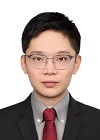
邹博超
副教授 ⋅ 北京科技大学
邹博超,北京科技大学计算机与通信工程学院副教授,北理工-哈佛大学医学院联合培养博士,北航-中电科联合培养博士后,适人协同智能重点学科与技术研究中心副主任,中国图象图形学学会理事、副秘书长,社会安全风险感知与防控大数据应用国家工程研究中心特聘专家。主要从事视觉认知、情感计算、人机协同方向研究,作为负责人先后承担国自然面上、青年项目、联合基金课题、新一代人工智能重大项目子课题,参与国自然重大仪器项目,入选北京市青年人才托举工程,在IEEE Trans.、ICML、NeurIPS、AAAI、ACM MM等发表SCI/EI论文四十余篇,授权发明专利十余项,曾获2024年北京市自然科学一等奖,2021年中国电子科技集团科学技术一等奖。
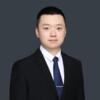
刘笑宏
教授 ⋅ 上海交通大学
刘笑宏,上海交通大学计算机学院副教授、博士生导师、上海创智学院全时导师。研究方向为计算机视觉与多媒体信息处理,现已在顶级国际会议与期刊上发表学术论文100 余篇,其中CCF-A类或中科院一区论文 80 余篇,引用 7900 余次,h指数 43。获中国人工智能学会吴文俊人工智能青年科技奖、华为“难题揭榜”火花奖、美团科研合作卓越创新奖,入选全球前2%顶尖科学家榜单、上海市领军人才(海外)、上海市浦江人才。主持国家自然科学基金面上、青年项目,参与重点项目,并承担包括华为、腾讯、美团、OPPO等多家公司的产学研合作项目。担任多媒体领域知名期刊ACM TOMM编委,多个顶级会议的领域主席,中国图像图形学会青工委副秘书长、上海市计算机学会计算机视觉专委会副秘书长。

刘朋
讲师 ⋅ 云南大学
刘朋,博士,云南大学信息学院讲师。主要从事深度学习相关理论与应用研究,核心聚焦于医学影像智能分析、轻量化模型构建与多源图像融合。近五年已在Information Processing & Management(IPM)、Engineering Applications of Artificial Intelligence(EAAI)、Knowledge-Based Systems(KBS)、IEEE Transactions on Computational Social Systems(TCSS) 等JCR一区/二区期刊发表SCI 10余篇。担任IEEE Transactions on Medical Imaging、Medical Image Analysis、Pattern Recognition、IPM、KBS等期刊审稿人。参与多项省部级课题研究:国家自然科学基金“云南东巴绘画视觉解析及描述研究”;云南省教育厅基础研究项目“面向退化图像的神经辐射场3D视点间场景重建”。
分论坛报告
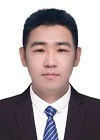
“快思慢想”:类脑持续学习理论与方法
魏坤 副教授 ⋅ 西安电子科技大学
报告摘要:人类与生俱来具有终身不断获取、整合和迁移知识的能力,这种学习能力被称之为持续学习。在机器学习领域,特别是深度学习模型提出以来,持续学习致力于解决模型训练的一个普遍缺陷--灾难性遗忘,即在新任务上训练时,在旧任务上的表现通常会显著下降。本报告以人脑学习与记忆机制为引入,分析探讨现有增量学习主流范式,并提出增量学习未来发展方向。
讲者简介:魏坤,西安电子科技大学副教授,硕士生导师。研究多模态机器学习、持续学习、多智能体等相关方向,发表CCF-A类会议/SCI一区期刊 40余篇,是TPAMI、IJCV、CVPR、ICML等20余种CCF-A类会议/SCI一区期刊审稿人。
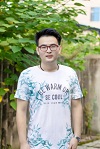
物理信息驱动的机器学习方法
孙元 教授 ⋅ 四川大学
报告摘要:物理信息驱动的机器学习(Physics-Informed Machine Learning, PIML)通过将物理规律的先验知识与数据驱动方法深度融合,在偏微分方程(PDEs)求解中展现出重要潜力。作为其中的代表方法,物理信息神经网络(Physics-Informed Neural Networks, PINNs)虽然已取得较好的应用效果,但其训练过程中仍面临若干关键挑战。一方面,现有PINN方法通常对不同难度的采样点采取统一处理策略,尤其忽视了物理边界等关键区域样本的学习差异,容易使模型陷入不良局部最优并导致训练过程不稳定,从而产生预测不平衡问题。另一方面,PINN损失函数由内部区域、边界条件和初始条件等多类残差共同构成,这些残差在训练中往往存在显著的量级差异与病态梯度冲突,进而引发收敛缓慢、精度受限等问题。
针对上述瓶颈,本报告聚焦于提升PINN鲁棒性与稳定性的关键技术,围绕不平衡预测和病态梯度问题展开系统研究。报告主要介绍两方面内容:1)认知物理信息神经网络,旨在增强模型对不同区域、不同难度区域的自适应感知与学习能力;2)非平衡物理信息神经网络,重点研究如何缓解多目标损失之间的病态梯度优化问题。通过相关方法的分析与探讨,本报告期望为突破PINN在复杂PDE求解中的性能瓶颈提供新的思路与技术支撑。
讲者简介:孙元,主要研究方向为多模态智能与AI for PDEs。近年来,共发表学术论文50余篇,其中以第一作者或通讯作者在TIP、TKDE、CVPR、ICML等人工智能领域中科院一区和CCF-A类会议上发表论文30余篇,入选ESI高被引共2篇,入选Spotlight/Highlight共4篇。入选四川大学“海纳博士后”资助计划(15名),获得中国电子学会电子信息教学成果二等奖(序2)、中国自动化学会科技进步奖二等奖(序5)、三等奖(序4)、中国兵装集团科技进步二等奖(序5)、中国人工智能学会教学成果一等奖(序4)、中国自动化学会高等教育教学成果三等奖(序5)、四川省计算机学会年度优秀学生论文、成都市技术能手称号。主持四川省自然科学基金项目、美的合作开发项目等共计6项,授权发明专利共10余项。担任Pattern Recognition的副编辑(AE),Journal of Artificial Intelligence & Control Systems 期刊青年编委,多次担任CCF-A类会议NeurIPS/ACL/IJCAI的领域主席(AC)/高级程序委员(SPC),长期担任ICLR、CVPR、ICML、TPAMI、TIP等30余个顶级期刊/会议审稿人。
语义驱动的弱监督视频理解
汪昱 副教授 ⋅ 同济大学
报告摘要:视频智能理解是计算机视觉与人工智能的核心研究方向,在城市感知、安防监控、智能交通等领域具备重要应用价值。当前主流全监督方法高度依赖帧级精细标注,面临标注成本高昂、复杂场景泛化能力不足等瓶颈,弱监督与稀疏标注范式已成为领域突破的核心路径。报告人长期深耕视频理解与分析领域,针对弱监督场景中标注稀疏带来的语义定位偏差、异常边界模糊等核心难题,构建了以语义知识为中心的视频理解理论体系。本报告将系统梳理弱监督视频理解的技术发展脉络,深入报告核心研究思路与关键突破,并探讨该方向在城市场景智能化治理中的落地路径与未来挑战。
讲者简介:汪昱,同济大学计算机科学与技术学院副教授,博士生导师,入选上海科技青年35人引领计划(上海35U35)、上海市启明星计划(扬帆专项)人才计划,长期专注于多模态视觉感知、理解与决策等领域,在多模态大模型、开放视觉感知、多模态视频理解与分析等前沿方向从事研究。近五年,以第一/通讯作者在NeurIPS、ICML、CVPR、ICLR、AAAI、ECCV、IEEE TMM、IEEE TCSVT等CCF A类/中科院一区国际顶级刊物上发表论文30余篇,申请/授权国家技术发明专利20余项。获2025年上海市科技进步二等奖,获人工智能国际顶级挑战赛8项冠军(包括CVPR 2026和CVPR 2025 六项、ACL 2026一项和ICDAR 2023一项)、2项亚军(CVPR 2026 两项)。长期担任包括CVPR、ICCV、ICLR、ICML、NeurIPS、ECCV、IEEE TMM、IEEE TCSVT等国际顶级刊物的审稿人。主持新一代人工智能国家科技重大专项子课题、国家自然科学基金青年基金、上海市“科技创新行动计划”启明星计划扬帆专项、上海市关键技术研发计划“新一代信息技术”项目,核心参与国家重点研发计划项目、国家自然科学基金重点项目、面上项目10余项。

浅谈多模态模型中的表征调和学习
包世龙 助理研究员 ⋅ 中国科学院计算技术研究所
报告摘要:大规模预训练赋予视觉、语言、音频等模态编码器较强的通用表征能力,使预训练表征成为多模态融合、视觉表征增强与条件生成等任务的重要基础。然而,预训练目标、表征粒度与任务需求之间的差异,使其在迁移、组合与复用时仍面临若干适配挑战。本报告围绕“多模态表征调和学习”展开,结合我们近期在多模态学习、视觉表征增强与条件图像生成方面的研究,探讨如何从优化机制层面识别并缓解表征信号间的不一致冲突。报告重点分析多模态融合中的模态竞争、预训练视觉表征中的目标冲突,以及文本编码器偏差对生成公平性的影响,旨在说明预训练表征的有效复用不仅依赖模型与数据规模,也依赖面向下游任务的表征调和与适配。
讲者简介:包世龙,中国科学院计算技术研究所助理研究员,主要研究方向为生成模型与多模态学习。已在 CCF-A 类国际期刊与会议发表论文 25+,其中包括 IEEE TPAMI 9 篇(IF:20.4);先后入选北京市科协“高创计划”青年人才托举工程,获中国科学院优秀博士学位论文奖、北京图象图形学学会优秀博士学位论文奖等荣誉,并获得 ICCV、CVPR 等国际会议竞赛冠军 5 项;主持或参与国家自然科学基金重大项目、国家自然科学基金青年科学基金项目(C 类)、中国博士后科学基金特别资助等国家级科研项目。
SpectraAI: AI-Driven Molecular Identification and Discovery
夏俊 助理教授 ⋅ 香港科技大学(广州)
报告摘要:Molecular identification and discovery play a pivotal role in biochemical analysis, environmental governance, customs inspection, and other critical fields. Spectroscopic instruments, including mass spectrometry, infrared spectroscopy, nuclear magnetic resonance (NMR) spectroscopy, and X-ray spectroscopy, are fundamental tools for exploring the microscopic molecular world. However, current spectroscopic data analysis methods for molecular identification and discovery primarily rely on database searching and human professional expertise. These approaches face inherent limitations: they struggle to identify and discover novel molecules beyond existing databases, while suffering from low analysis efficiency, poor accuracy, and high costs. To address these challenges, we have conducted systematic research, exploration, and system development across multiple dimensions: data collection and cleaning, the development of a family of spectroscopic large foundation models, the creation of AI Agents for spectroscopic analysis, algorithm design grounded in biochemical principles, and practical application deployment in biomedicine and environmental protection. In this talk, I will elaborate on the research framework of SpectraAI and its latest progress, while highlighting promising research directions for future.
讲者简介:夏俊现为香港科技大学(广州)、香港科技大学联署助理教授和博士生导师。博士毕业于浙江大学-西湖大学联合培养项目计算机科学与技术专业,导师为讲席教授李子青(Stan Z. Li, IEEE Fellow); 博士期间在中国电信人工智能研究院 TeleAI担任见习研究员,导师为李学龙教授。申请人在与本项目相关的研究工作中有着丰富的积累,取得了国际领先的科研成果, 在Nature Methods、ICML、NeurIPS、ICLR等顶级期刊会议发表50余篇论文,其中以一作和通讯身份发表31篇,一篇一作论文入选WWW 2022 Most Influential Papers。主持首批国家自然科学基金青年学生基础研究项目(博士生)、首届中国电子学会-腾讯博士生科研激励项目(全国17项)等,参与首批科技部新一代人工智能国家重大科技专项“首席科学家负责制”试点项目(全国 3 项)等国家重大战略科技项目,担任NeurIPS、ICLR、KDD、IJCAI等AI顶级会议的领域主席或高级程序委员会委员,担任Nature Communications、TPAMI等期刊审稿人。曾获Rising Star in AI by KAUST、DAAD AINet Fellowship、Apple AI/ML Scholar Finalist、西湖大学校长奖章、浙江省优秀毕业生、国家奖学金等。
结构化知识赋能类脑分析
梁科 教授 ⋅ 国防科技大学
报告摘要:本报告聚焦结构化知识驱动的脑网络分析研究方法,针对现有任务场景监督信息难获取、多源信息难协同、模型结果难解释三大挑战,系统介绍本人利用在知识驱动的半监督脑网络数据增强、表型引导的多模态脑网络分析与因果知识增强的可解释脑网络分析三个方面的研究进展。相关工作巧妙利用知识图谱和表型数据等结构化知识,实现了高质量数据增强、个性化多模预测和可解释疾病诊断,展示了结构化知识在神经科学应用中的方法价值与潜力。
讲者简介:梁科,国防科技大学计算机学院讲师,硕导。主要研究方向为图机器学习、知识表征与推理、AI4Science。主持国家自然科学基金项目、湖南省自然科学青年基金项目B类(原省优青)等。在CCF-A发表论文30余篇,任Pattern Recognition、Information Fusion等国际知名期刊AE,以及ICML、CVPR等CCF-A类会议AC。获CCF自然科学一等奖、CAAI博士学位论文激励计划等奖项。相关工作有效的应用于军民各类实践,取得了良好的示范应用效果。
高光谱遥感信息处理:从数据融合到智能解译
宋启亚 副教授 ⋅ 湖南师范大学
报告摘要:随着高光谱遥感技术的飞速发展,我们获取地物光谱信息的能力呈爆炸式增长,为地物精细识别提供了丰富的数据支撑。然而,高光谱数据固有的高维度与复杂性,也为信息深度挖掘带来巨大挑战。本报告旨在探讨高光谱遥感信息处理中的数据融合与智能解译方法。首先分析高光谱数据的基本特性与核心难题,重点探讨如何将高光谱与多光谱、LiDAR等多源数据进行协同融合,弥补单一数据源的局限性。在此基础上,系统介绍从传统机器学习到深度学习的高光谱智能解译方法,包括光谱特征提取、地物分类与目标识别等关键技术,并结合典型应用案例展望其在精准农业、环境监测等领域的应用前景。
讲者简介:宋启亚,副教授,硕士生导师,湖南师范大学“世承人才计划”青年优秀人才,博士毕业于湖南大学,主要研究方向为多模信息融合、视频图像处理,近年来在IEEE CVPR、 TNNLS、TGRS,SCIS,ACM MM等高水平学术期刊/会议上发表论文20余篇,ESI 高被引论文1篇,授权发明专利15项(其中一项完成转化);主持或参与了包括青年科学基金、重点研发计划等多个国家级项目;先后获得中国图像图形学会博士学位论文激励计划提名等荣誉称号;在国际顶级会议ACL、ACM以及全球最大竞赛平台kaggle上举办的国际竞赛获得冠军4项、亚军2项;获得国际“互联网+” 创新创业大赛全国银奖/铜奖等;长期受邀担任IEEE TPMAI、IJCV、TIP、IJCAI、ACM MM等国内外知名期刊/会议审稿人以及相关专委会执行委员。

多模态大模型的对抗安全问题研究
刘岱宗 助理教授 ⋅ 武汉大学
报告摘要:多模态大语言模型在视觉理解与智能交互领域取得了显著进展,但其安全性问题日益受到关注。本报告围绕多模态大模型的对抗攻击与安全风险展开,系统介绍从白盒攻击、灰盒攻击到黑盒攻击的发展历程,分析不同攻击场景下的关键技术与挑战。首先,介绍基于模型梯度信息的白盒攻击方法及其优化机制,分析其攻击能力与局限性;随后讨论兼顾攻击效果与实际可行性的灰盒攻击框架,重点介绍如何利用有限模型信息实现高效攻击;进一步探讨真实场景下的黑盒攻击问题,分析对抗样本跨模型迁移的关键挑战与技术路线。重点探讨对抗样本迁移性的提升方法,从数据泛化迁移逐步发展到模型迁移攻击,介绍跨模型、跨架构的对抗攻击机制及最新研究进展。最后,结合当前大模型的发展趋势,展望多模态智能系统面临的安全挑战与未来研究方向。
讲者简介:刘岱宗,武汉大学武汉数学与智能研究院助理教授、研究员、博士生导师。2025年于北京大学王选计算机研究所取得理学博士学位,获评2025年北大优秀博士学位论文,入选2025年全球前2%顶尖科学家榜单。主要研究领域包括多模态学习、三维具身感知、多模态大模型对抗安全,以第一/通讯作者发表TPAMI、NeurIPS、ICML、CVPR等CCF-A类论文30余篇,谷歌学术引用3800余次。长期担任TPAMI、TIP、TIFS、CVPR、ICCV、ACL等多个国际顶级期刊、会议审稿人,担任NeurIPS、ICML、ICLR、IJCAI领域主席。
复杂对抗环境下的视觉生成式人工智能安全风险治理
刁云峰 教授 ⋅ 合肥工业大学
报告摘要:随着视觉生成式人工智能快速发展,深度伪造、隐私泄露、恶意内容生成与对抗规避等风险日益突出,已对国家安全、社会稳定和公众信任造成挑战。现有AIGC安全防护方法往往依赖静态、理想化场景假设,未考虑真实复杂场景中攻击策略的多样性及对抗攻防过程的自适应演化特性,难以应对真实环境中的跨模态伪造、对抗扰动、模型滥用和内容传播风险,防护性能易出现退化甚至失效。本报告面向复杂对抗环境下的视觉生成式人工智能安全防护问题,从数据层、模型层和内容层分析AIGC安全风险与防护瓶颈,介绍多模态伪造数据构建、鲁棒鉴伪、生成模型遗忘学习与对抗防御等研究进展,探索内生安全与外生防护协同的全链条治理思路,为构建安全、可信、可控的视觉AIGC提供参考。
讲者简介:刁云峰,现任合肥工业大学计算机与信息学院院长助理,安徽省人工智能学会安全人工智能专委会秘书长,CAAI青工委专委会委员、CCF多媒体专委会执行委员。研究方向为人工智能安全,媒体内容安全等。目前已在CCF-A/中科院1区Top期刊发表论文30余篇。担任CCF-A期刊TIFS和SCI期刊DI和IJAACS编委,多个国际会议程序委员会委员和Workshop主席,并担任20余个国内外知名期刊和会议审稿人,获ICML Gold Reviewer Award。主持国家自然科学基金、JG项目、校企横向课题、国家重点实验室开放课题等多项。成果在蚂蚁集团和JG单位等得到应用,构建的AIGC安全数据集2024-2026连续三年入选外滩大会、IJCAI AIGC安全攻防全球竞赛官方数据集,获IJCAI Workshop杰出贡献奖、隐者联盟2025年度杰出论文、IROS RODGE Workshop最佳论文奖、“挑战杯”全国一等奖、全国大学生创新创业实践联盟指导教师优秀事迹等。